



your growing resource!
The Colorado Nursery & Greenhouse Association is a non-profit trade association created to provide education, information, networking, group purchasing programs, and legislative support for the green industry. Through the power of numbers, CNGA provides quality industry-specific programs and services that support your business’ success and independence.
have a green thumb?
Home Gardeners!
Don't Let Warm Weather Ruin Your Garden Dreams!
Tips for Hot Weather Gardening
It's not late to install material to give your garden that pizazz it may be missing. Use some of these helpful hints to limit shock and stress on your plants during summer installations.
Summer Planting Tidbits
-
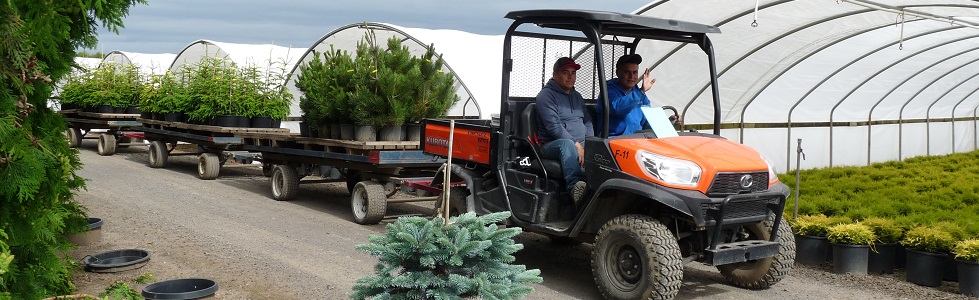
When transporting plant material this time of year, cover all foliage and flowers. When you pick up plants from your local CNGA member garden center, make it the last stop on your list of "to do's" so these beauties aren't sucked dry of moisture while inside your super hot car. Crack the windows and give them some fresh air.
If you are transporting a tree in the open bed up of a pick up truck or using a small trailer, bring a tarp or even an old bed sheet. The tarp or sheet will help deflect hot, dry winds that cause windburn making the leaves of your plant wilt and droop. Transport your materials early in the morning or late in the evening to avoid the intense heat and direct sunlight of mid-day. If you are transporting a tree with a tarp or bed sheet, place some type of red flag near the back end of the tarp to warn other motorist of your load. Drive slowly and use back roads when possible. When your materials have arived at the planting destination, place them in a protected area away from wind and direct sunlight until they are installed. Give them a small drink of water.
-
Avoid planting during mid-afternoon when temperatures often reach their peak. The ideal time to plant is on a cool, moist day; however, since we live in Colorado with more than 300 days of sunshine a year, this may be challenging. Your second best option is to plant early in the morning before the sun has had a chance to heat everything up. Water all of your newly installed material. Feel free to water the foliage, however, if you choose to do this, make sure it is after the sun has set so you do not burn or fry needles or leaves.
-
Talk with a CNGA member business regarding watering options for recently installed material. There are a number of different products on the market from soaker hoses and tree 'gators' to deep root watering probes. CNGA member business's have professional staff members that are trained to assist you with these decisions that may be overwhelming. Make sure you bring with you the important information. What variety of plant, what size ( # 5 shrub, # 1 perennial, 2" Maple, or 8' Spruce), what type of exposure(hours of direct sunlight, indirect sunlight), and any run off and moisture related concerns you might have.
-
Most plants will suffer to some degree from transplant shock. Generally when this happens, very delicate root hairs and fibers are shocked from the foreign soil they are being placed into. Think of it like jumping into a snow bank after hottubbing---you don't like it and would prefer to stay in the comfortable environment you are accustomed to. Plants suffering from transplant shock show characteristics muck like windburn. Leaves will droop, sag, and look wilted. They give the appearance of a very thirsty plant. Go ahead and reward the plant and give it a small drink. Fight the temptation to keep watering. Over watering will exaggerate the already noticeable symptoms. Symptoms of transplant shock generally subside within 2 to 3 weeks. In very extreme cases, leaves may dry out or even turn black, and drop. Usually the plant will reproduce new leaves once it comes out of shock. It is important to water your plant regularly even if it is showing signs of stress. It is a good idea to dig into the soil with a screw driver or trowel at least 6 to 12 inches to get a better understanding of the moisture content below the surface. Many gardeners make the mistake of noticing wilted leaves, don't dig into the problem, and continue to water water water. Consistently monitor the moisture level within the soil surrounding the plant.
- Contact your CNGA member retail store to receive assistance and suggestions from professionals that share your same passion.
The Relationship between Plants and Water
Spring is upon us and many do-it-yourselfers may be asking themselves again this year “How much water does a plant need and when do I know when enough is enough?” If this question has been hounding you, you are not...
Need tips...
Lawn and Garden Features
The last of the 2008 Lawn and Garden perennials and annuals have been featured. To view this years beautiful selection of plants click here. Remember to visit your local independent retailer for all your planting needs.
Check back next year at the end of March for the 2009 Lawn and Garden Features.
You may have to download Adobe Acrobat Reader to view some of the information on this website. Click here to download Adobe Acrobat for free.